Fitness for Stress Management
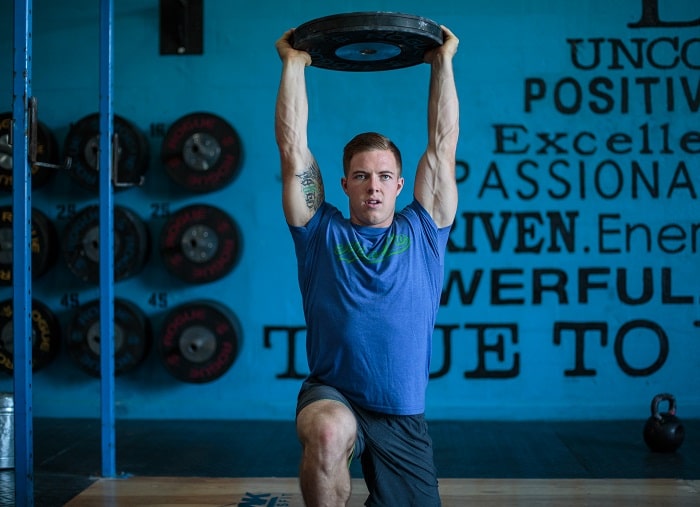 Stress and anxiety have been shown to negatively impact both body and mind and are a major contributor to poor overall health. Stress management techniques are a growing trend in today’s society, with one major tool being personal fitness. Not only does physical training help to make the body stronger, it has also been shown to boost moods and halt symptoms of stress, anxiety, and depression.
Recognize The Signs
The first step in stress recovery is to recognize the symptoms of stress on the body and on our moods. Certain physical symptoms include (but certainly are not limited to) headaches, muscle tension or pain, chest pain, and fatigue. Psychological symptoms include anxiety, restlessness, lack of motivation, feeling overwhelmed, irritability, mood swings, sadness, and depression.
Focus on the Heart
The AHA states that stress exacerbates factors that increase risk of heart disease, and that practicing stress management is beneficial to overall health. Stress management is a balancing act between keeping yourself at a healthy level of stimulation and finding productive ways to recover to avoid burnout.
Recover in Healthy Ways
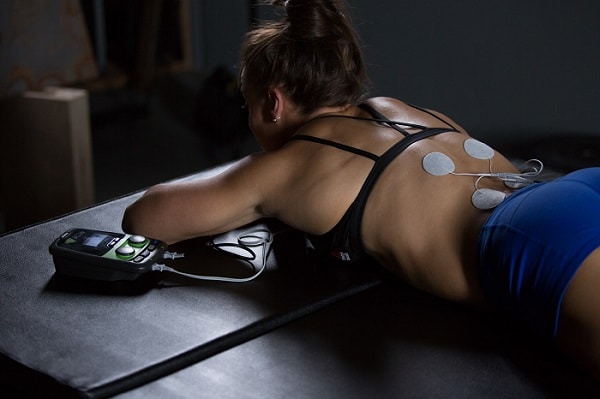 Exercise doesn’t just improve physical health, it is a proven mood booster, lowering symptoms associated with mild depression and anxiety. It can also help you get better sleep, which is another contributing factor to stress. Workout apps like Aaptiv help provide the structure and guidance of trainer-led workouts for those who might not have the foundational knowledge of a more trained athlete. While fitness is a great stress management tool, injuring yourself during a workout or training session is a quick way to slide back into the same situation, especially for someone new to the fitness world.
Most often, people who train regularly don’t allow their bodies to properly recover in between activity. This can lead to soreness, fatigue, increased risk of overuse injury, decreased performance, improper body mechanics, and pain – making it difficult to maintain a fitness regimen. Using a tool like Marc Pro can help offset these issues and keep you on track with your fitness goals. Marc Pro is a recovery and pain relief tool used by pro teams, elite athletes, and everyday people.
In short, while physical fitness is a great stress management tool, it’s important to make sure you’re listening to your mind and body and seeking additional help where necessary. Look for stress management classes at community colleges, rehab programs, in hospitals, or by calling a therapist in your community.